Good ingredients are expensive. Storing them wrong wastes money and ruins flavor. These practical methods help keep Mexican staples fresh, with typical storage times for each one.
The Master Storage Chart
| Ingredient | Counter | Fridge | Freezer | Never do this |
|---|---|---|---|---|
| Avocado (unripe) | 2–5 days to ripen | Slows ripening | No | Refrigerate if you want it to ripen quickly |
| Avocado (ripe) | Eat today | 3–5 days | No (whole) | Leave cut half exposed to air |
| Fresh salsa | 2 hrs max | 3–5 days | 3 months | Leave at room temperature over 2 hours |
| Cooked salsa | 2 hrs max | 3–5 days | 3 months | — |
| Corn tortillas | 2 days sealed | 1 week | 3 months | Microwave unwrapped from frozen |
| Flour tortillas (store) | Until date, unopened | 1 week after opening | 3 months | Trust them in humid climates |
| Fresh cheese (fresco, panela) | No | ~1 week in parchment | Never | Freeze — turns rubbery |
| Aged cheese (cotija, añejo) | No | Weeks–months in wax paper | Grated only, acceptable | Wrap in plastic (slime) |
| Fresh chiles | No | 2 weeks, paper bag in crisper | Yes, whole | Seal in plastic (rot) |
| Dried chiles | Months–years, airtight, dark | — | — | Use when brittle/shattering |
Avocados
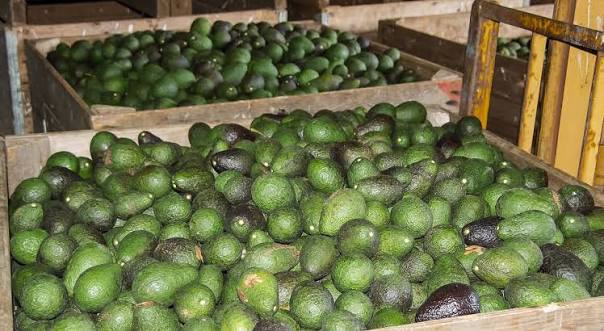
Avocados ripen as they sit at room temperature. A firm avocado usually takes two to five days to soften, depending on the season. Do not refrigerate if you want it to ripen quickly — cold slows the ripening process.
Once ripe, move it to the refrigerator, where it holds three to five days without turning mushy. To speed ripening, place the avocado in a paper bag with a banana; the ethylene gas accelerates the process. Check daily.
For cut avocados: leave the pit in the unused half and press plastic wrap directly onto the cut surface. Air is the enemy — a thin layer of lime juice helps, but direct contact with the wrap matters more. Use within twenty-four hours.
Buying tip: if the little stem button comes away easily, look at the color underneath. Green can indicate that the fruit is ripe, while brown can indicate overripeness. Avoid repeated squeezing, which can bruise the fruit.
Salsa
Fresh salsa lasts three to five days refrigerated in a sealed glass jar. A food-safe plastic container also works, though it may retain odors or stains. Fill the container close to the top to minimize air contact. The same storage guidance applies to this easy homemade salsa recipe.
Never leave salsa at room temperature more than two hours. Raw vegetables plus moisture is an ideal environment for bacterial growth. If a salsa smells fermented or develops bubbles, discard it. That is not flavor development; that is spoilage.
Cooked salsas — like a roja made with roasted tomatoes and chiles — also need prompt refrigeration and generally keep three to five days. Both fresh and cooked types freeze well for three months in small containers.
Corn Tortillas
Fresh tortillería corn tortillas keep two days at room temperature in a sealed bag; after that they dry and stiffen. Refrigerate up to a week, or freeze up to three months: separate stacks with parchment paper, seal in a freezer bag, and press out the air.
Reheat from frozen directly on a dry skillet or comal — it restores flexibility and lightly toasts them, which improves flavor. A dry skillet is also a reliable way to reheat tortillas without drying them out. Microwaving unwrapped tortillas directly from frozen can make them gummy.
Flour Tortillas
Store-bought flour tortillas outlast corn because of the fat content. Keep unopened packages at room temperature until the printed date. Once opened, refrigerate and use within a week — they mold faster than you expect in humid climates.
Homemade flour tortillas keep two days at room temperature, tightly wrapped, and freeze exactly like corn: parchment layers, freezer bag, skillet reheat.
Cheese
Fresh cheeses (queso fresco, panela) last about a week wrapped in parchment paper, then placed in a loose plastic bag — the paper absorbs the moisture that would otherwise grow mold. Aged cheeses (cotija, añejo) last weeks to months wrapped in wax paper. Never wrap any cheese directly in plastic wrap; it traps moisture and creates slime.
Never freeze fresh cheese — the texture turns rubbery and the flavor dulls. Oaxaca can be frozen in an emergency, but it loses its stretch; use previously frozen Oaxaca in fillings, not quesadillas where the melt is the point.
Chiles
Fresh serranos and jalapeños keep two weeks in the crisper drawer in a paper bag — not sealed plastic, which traps moisture and causes rot.
Dried chiles keep nearly indefinitely in an airtight container in a cool, dark place. The freshness test: a good dried chile bends like leather. If it’s brittle and shatters, it’s too old — the flavor will be weak and dusty. Buy them in small quantities from stores with high turnover.
FAQ
How do I keep guacamole from browning? Press plastic wrap directly onto the surface — zero air gap — and refrigerate. The lime juice in the recipe slows browning; the wrap does the real work. A thin layer of water poured on top (drained before serving) also works for up to a day. Either way, guacamole is a same-day or next-day food.
Can I freeze avocados? Whole or sliced, no — they thaw watery and gray. Mashed with lime juice, acceptably: freeze flat in a bag for up to 3 months and use it for guacamole or spreads, not sliced applications.
How can I tell if salsa has gone bad before smelling it? Bubbles or fizz in the jar, a lid that hisses on opening, mold at the rim, or liquid separating with a milky layer. Any one of those: out it goes. Salsa is cheap; a foodborne bug is not.
My tortillas always dry out before I finish the package. Best fix? Freeze half the package the day you buy it, in two-tortilla portions with parchment between. Thirty seconds per side on a dry skillet from frozen and they’re better than week-old refrigerated ones.
Does the avocado-pit-in-the-guacamole trick work? Only for the spot directly under the pit, which is shielded from air. It’s contact with oxygen that browns the flesh, not the absence of the pit. Surface coverage — wrap or water — is what actually works.
— Mariana

MexFood Kitchen Editorial Team publishes practical guides to Mexican recipes, ingredients, meal preparation and cooking techniques. Our editorial goal is to provide clear instructions, useful context and realistic guidance for home cooks. Content is reviewed for clarity and updated when corrections or improvements are needed.