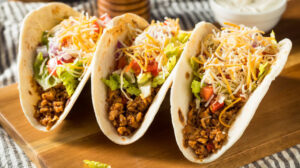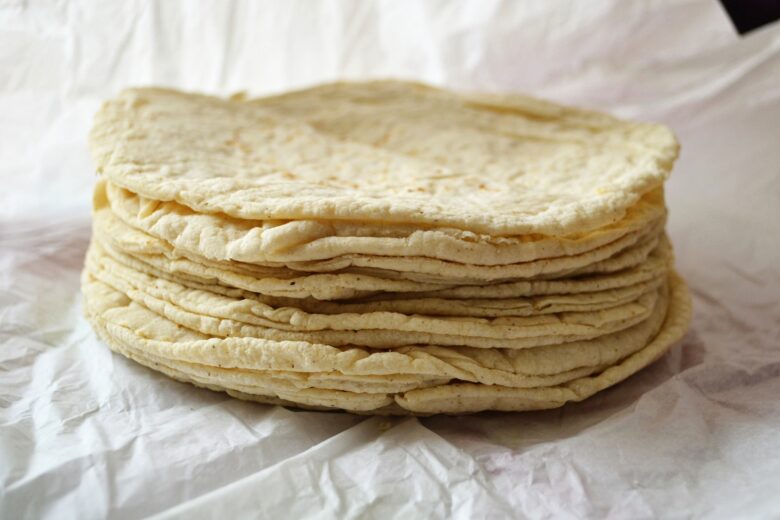
A cold tortilla is a dead tortilla. The fat in flour tortillas solidifies; the moisture in corn tortillas evaporates. Both become stiff, crack when folded, and taste like cardboard. Reheating is not optional if you want tacos that hold together — here is every method that works, with exact times.
The Method Table
| Method | Corn | Flour | Best for | Flavor |
|---|---|---|---|---|
| Dry skillet / comal | 30 sec/side, med-high | 30 sec/side, medium | Everyday, 1–8 tortillas | ★★★ |
| Open gas flame | 5–10 sec/side | Not recommended | Fastest, best char | ★★★★ |
| Microwave + damp towel | 45–60 sec (stack of 5–10) | 30–45 sec | Speed, big stacks | ★ |
| Oven in foil, 300°F | 10–15 min | 10–15 min | Feeding a group | ★★ |
| From frozen (skillet) | 45 sec/side | — | Frozen corn stash | ★★★ |
| From frozen (microwave + skillet finish) | — | 60–90 sec + 10 sec/side | Frozen flour stash | ★★ |
The universal rule: whatever the method, stack the warm tortillas in a clean kitchen towel immediately. The trapped steam keeps them soft until the table. Left exposed, they stiffen in minutes.
Corn Tortillas
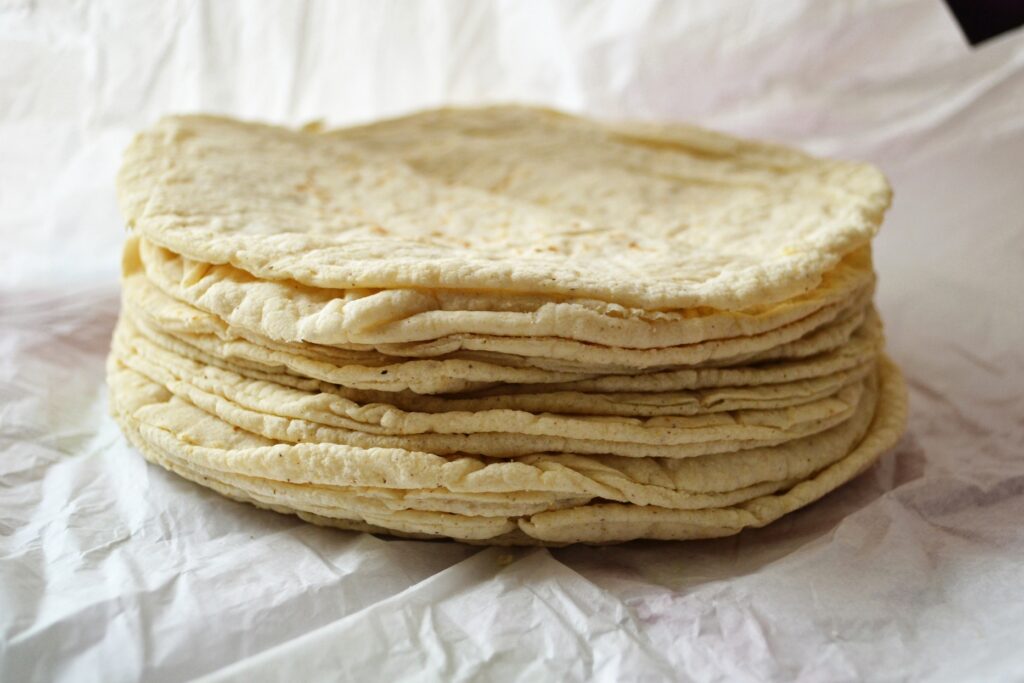
Corn is more fragile than flour — it dries faster and cracks if overheated. The goal is warm and pliable, not hot and crisp.
Dry skillet (the everyday method): heat a comal or skillet over medium-high for 2 minutes first. Tortilla directly on the surface, 30 seconds per side. It softens, maybe puffs, and picks up small charred spots. Into the towel it goes.
Open flame (the best flavor): on a gas stove, hold the tortilla with tongs directly over the flame, 5–10 seconds per side. It chars and blisters — this is the fastest method and tastes the most like a taqueria, but it demands attention. Two seconds too long and it scorches.
Microwave (the speed compromise): wrap 5–10 tortillas in a damp paper towel, 45–60 seconds. Worst flavor, best speed. The damp towel is not optional — a dry microwave turns corn tortillas into leather that cracks on the first fold.
Flour Tortillas
Whether store-bought or soft homemade flour tortillas, flour tortillas are more forgiving — the fat keeps them flexible — but they turn rubbery if overheated.
Dry skillet: same as corn but at medium instead of medium-high, 30 seconds per side. Flour tortillas don’t need char; they just need to soften.
Microwave: damp towel, 30–45 seconds — less than corn, because they heat faster. Check at 30; overheating makes them chewy and tough.
Oven (for a crowd): wrap the stack in foil, 300°F (150°C) for 10–15 minutes. The foil traps moisture and heats evenly. Don’t unwrap until serving.
Skip the open flame for flour — the fat spots scorch before the tortilla warms through.
Reheating From Frozen
Don’t thaw first — the moisture from freezing actually helps if you use it.
Frozen corn: dry skillet method with 15 extra seconds per side (about 45 sec/side). It thaws and warms simultaneously, and the freezer moisture keeps it from drying.
Frozen flour: microwave in a damp towel 60–90 seconds to thaw and soften, then 10 seconds per side on a dry skillet if you want better texture.
What Not to Do
- No oil. Oiled tortillas fry slightly and turn greasy — a different food entirely.
- Don’t overheat. Tortillas go from perfect to stiff in seconds. Stay at the stove.
- Don’t stack them cold. Cold tortillas stacked together trap moisture unevenly — some go soggy, some dry out. Warm first, then stack in the towel.
- Don’t refrigerate open. Always keep them sealed in a bag or wrap. Air is the enemy, so follow these tips for storing tortillas the right way.
The difference between a good taco and a disappointing one is often the tortilla. Reheat it properly, and everything else improves.
FAQ
Can I use a tortilla warmer instead of a towel? Yes — a cloth-lined tortilla warmer (the basket or the fabric pouch kind) does exactly what the towel does, slightly better. Warm the tortillas by any method above first; the warmer holds heat, it doesn’t create it. Tortillas stay soft in one for 30–45 minutes.
How do I keep tortillas warm through a whole dinner party? Oven method: wrap stacks of 10 in foil, hold at 200°F (95°C), and bring out one foil packet at a time. Opened packets go stiff; unopened ones stay perfect for over an hour.
My electric stove has no flame. What’s the best-flavor option? The dry skillet, pushed slightly hotter — get a cast-iron pan properly preheated and let the tortilla pick up real charred spots. It provides similar charred flavor without an open flame.
Why do my corn tortillas still crack even after warming? Two possibilities: they’re too old (moisture already gone — flick a little water onto each side with your fingers before the skillet to help), or they’re the shelf-stable kind with preservatives, which may not fold as well as refrigerated or fresh ones. Warming can revive a tortilla; it can’t resurrect one.
Is it safe to reheat tortillas more than once? If they have been handled and stored safely, yes — but each reheat costs moisture, and by the third round you have a tostada in denial. Warm only what you’ll eat, and keep the rest sealed.

MexFood Kitchen Editorial Team publishes practical guides to Mexican recipes, ingredients, meal preparation and cooking techniques. Our editorial goal is to provide clear instructions, useful context and realistic guidance for home cooks. Content is reviewed for clarity and updated when corrections or improvements are needed.