Not all Mexican cheeses melt, and not all of them should. The cheese you choose depends on what you are making. Choosing a melting cheese where you need a crumbling cheese—or the reverse—is a common mistake.
This guide covers six widely used cheeses, what each one does, suitable substitutes when your grocery store doesn’t carry them, and a quick-reference table for matching cheese to a dish.
The Master Table
| Cheese | Texture | Flavor | Melts? | Best for | Easiest substitute |
|---|---|---|---|---|---|
| Queso fresco | Moist, crumbly | Mild, tangy | No | Topping tacos, beans, enchiladas | Mild feta (rinsed) |
| Cotija | Dry, firm | Salty, briny | No | Elote, soups, finishing | Grated pecorino or feta |
| Oaxaca | Stringy, elastic | Milky, buttery | Yes—the melter | Quesadillas, chiles rellenos | Low-moisture mozzarella |
| Queso añejo | Hard, aged | Intense, salty | No | Grating over mole, pozole | Aged cotija or pecorino |
| Panela | Soft, sliceable | Very mild | Softens, holds shape | Grilling, frying | Halloumi or paneer |
| Requesón | Loose, creamy | Mild, slightly sweet | Blends, doesn’t flow | Fillings, spreads | Whole-milk ricotta |
Quick Answer: Which Cheese for Which Dish
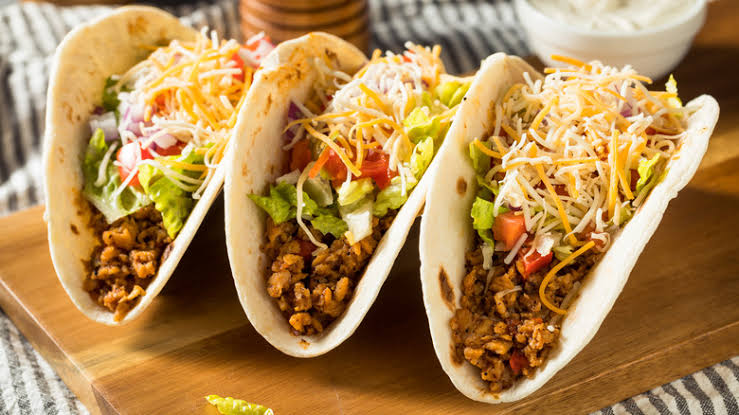
- Tacos: Depending on the style, use queso fresco crumbled on top or cotija for a saltier finish. Many street-style tacos are served without cheese.
- Quesadillas: Oaxaca provides an elastic, creamy melt.
- Enchiladas: queso fresco crumbled after baking; Oaxaca inside if you want a melted filling.
- Elote / esquites: cotija.
- Nachos and queso dip: These are commonly associated with Tex-Mex rather than many regional Mexican dishes, and a good melting cheddar-Jack usually gives the expected result.
Cheese is only part of the texture of a taco or quesadilla. If the tortillas are already cooked, use these methods to reheat tortillas without drying them out before serving.
The Six Cheeses, Explained
Queso Fresco
Mild, fresh, and slightly tangy, queso fresco is crumbly rather than melty. It is usually used as a finishing cheese on enchiladas, tacos, or beans. It holds its shape when warm and adds a cooling contrast to spicy dishes.
Best for: tacos, tostadas, beans, enchiladas after baking. Don’t use for: quesadillas or dishes that need a smooth melt.
Cotija
Salty, dry, and firm, cotija is sometimes compared with Parmesan, although its briny flavor is distinct. A little goes a long way. Grate it over soups, salads, and grilled corn. It holds its shape when heated, making it suitable for finishing rather than melting.
Best for: elote, soups, salads, beans, finishing. Don’t use for: melt or stretch.
Oaxaca
Oaxaca is the main melting cheese in this group. It becomes stringy, milky, and elastic when heated. Like mozzarella, it is made with a stretched-curd technique. It melts well in a hot skillet and stays creamy inside, making it a good choice when a dish needs stretch.
Best for: quesadillas, chiles rellenos, molletes, anything gratinado. Don’t use for: crumbling or cold applications.
Queso Añejo
Aged, firm, and deeply salty, queso añejo is generally stronger than cotija. Use it sparingly, grated over rich dishes like mole or pozole where the cheese needs to stand up to bold flavors. Its intense flavor works best as an accent rather than a base.
Best for: mole, pozole, strong stews. Don’t use for: everyday tacos or mild dishes.
Panela
Panela is soft, fresh, and sliceable. It softens when heated but holds its shape, which makes it one of the few cheeses that can be grilled or fried in slices. Fried panela in salsa verde can also make a quick one-pan meal.
Best for: grilling, frying, warm salads. Don’t use for: stretch or melt.
Requesón
Fresh, loose, and ricotta-like, requesón is very mild and slightly sweet. Use it in fillings where you want creaminess without stringiness, including enchiladas and empanadas, or spread it on molletes. It doesn’t melt smoothly, so blend it into fillings rather than expecting it to flow.
Best for: stuffing, fillings, spreads. Don’t use for: topping or melting.
Can’t Find Mexican Cheese? Substitutes That Work
Many US supermarkets carry Oaxaca-style cheese and queso fresco in the specialty cheese or Hispanic foods case. If yours doesn’t, use these substitutes:
| You need | Buy instead | Adjustment |
|---|---|---|
| Oaxaca | Low-moisture, whole-milk mozzarella | Similar melt; milder flavor |
| Queso fresco | Mild feta | Rinse it under water and use less—feta is much saltier |
| Cotija | Pecorino Romano or dry feta | Grate finely; both are saltier, so go light |
| Panela | Halloumi or paneer | Both can be grilled or fried; halloumi is saltier |
| Requesón | Whole-milk ricotta | Direct 1:1 swap |
| Añejo | Extra-aged cotija, or Parmesan in a pinch | Parmesan changes the flavor profile but works texturally |
A practical rule: if the recipe melts the cheese, substitute it with a stretched-curd cheese from the mozzarella family. If the recipe crumbles or grates it, use a brined or aged cheese from the feta or pecorino family. Match the function, not just the country of origin.
What About Store-Bought “Mexican Cheese Blends”?
Pre-shredded blends are often made with cheddar and Monterey Jack and usually include anti-caking ingredients such as cellulose. These ingredients can make the melt less smooth than cheese grated from a block. The blends can still work for nachos or other Tex-Mex dishes, but they do not replace the distinct textures and flavors of Oaxaca, queso fresco, or cotija.
If you can only buy two cheeses, choose Oaxaca for melting and queso fresco for finishing. Together, they cover quesadillas, enchiladas, tacos, beans, and many other dishes.
Storage
- Fresh cheeses (queso fresco, panela, requesón): keep tightly sealed in the refrigerator and follow the package date. Once opened, they are commonly best used within about 1 week.
- Oaxaca: use within a week of opening for the best melt. If it dries out slightly, it can still be grated into soups or beans.
- Aged cheeses (cotija, añejo): exact storage time depends on the package, but they generally keep for several weeks or longer when refrigerated and tightly wrapped. They will gradually become drier.
- Freezing fresh Mexican cheese is not recommended. Freezing can make the texture rubbery or grainy and dull the flavor. Aged cotija tolerates freezing better, especially if grated first.
FAQ
What cheese do taquerias use on tacos? It varies by taco and region. Many street-style tacos are served without cheese and rely on meat, salsa, onion, and cilantro. When cheese is used, it may be a light crumble of queso fresco or cotija rather than shredded melting cheese.
Is Oaxaca cheese the same as mozzarella? No, although both use a pasta filata, or stretched-curd, technique. Oaxaca is typically sold in a wound ball of cheese ropes and has its own flavor and texture. Low-moisture mozzarella is the closest widely available substitute. Fresh mozzarella is usually too wet for quesadillas and may release excess moisture.
Why doesn’t queso fresco melt? Its curd structure does not loosen into a smooth, flowing cheese when heated. It softens and warms but generally holds its shape, which makes it useful as a topping for hot food.
What’s the difference between cotija and queso fresco? Cotija is generally aged and salted until it becomes dry and intense. Queso fresco is eaten fresh and remains mild and moist. They serve different purposes: queso fresco adds a soft, cooling contrast, while cotija provides a concentrated salty accent.
Which cheese is best for quesadillas if I can’t find Oaxaca? Use low-moisture whole-milk mozzarella, optionally combined with a small handful of Monterey Jack for more flavor. Grating cheese from a block generally produces a smoother melt than using a pre-shredded blend.

MexFood Kitchen Editorial Team publishes practical guides to Mexican recipes, ingredients, meal preparation and cooking techniques. Our editorial goal is to provide clear instructions, useful context and realistic guidance for home cooks. Content is reviewed for clarity and updated when corrections or improvements are needed.