Flavorful Mexican meals do not require expensive ingredients. Techniques such as toasting dried chiles in a dry skillet, simmering beans with aromatics, and warming tortillas before serving can bring more depth to inexpensive staples.
Below are five complete recipes with exact measurements, steps, timing, and estimated costs per serving. Each one is designed to be satisfying without costing more than a few dollars per person.
What you’ll find in this guide:
| Recipe | Total time | Servings | Cost per serving* |
|---|---|---|---|
| Tacos de Papa | 45 min | 4 (12 tacos) | ~$0.90 |
| Frijoles de la Olla | 2.5–3 hrs (mostly hands-off) | 6 | ~$0.55 |
| Chilaquiles Rojos | 30 min | 2 | ~$1.60 |
| Sopa de Fideo | 25 min | 4 | ~$0.75 |
| Quesadillas de Verduras | 25 min | 2 | ~$1.80 |
*Estimated from average US grocery prices; your local prices may vary.
1. Tacos de Papa (Crispy Potato Tacos)
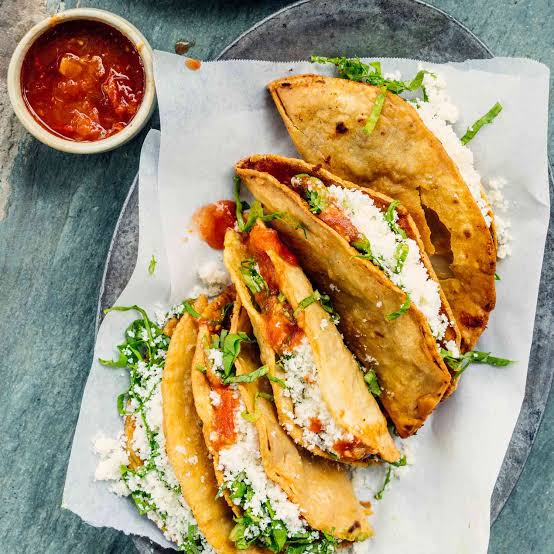
Potato tacos are simple but satisfying. Seasoned mashed potatoes crisped inside a corn tortilla and topped with a bright salsa roja make a filling meal from inexpensive ingredients.
Prep: 15 min · Cook: 30 min · Makes: 12 tacos (serves 4)
Ingredients
For the filling:
- 1.5 lb (700 g) russet or yellow potatoes, peeled and cubed
- 3 garlic cloves, unpeeled
- 1/2 tsp ground cumin
- 1/2 tsp dried Mexican oregano (regular oregano works)
- 1 tsp salt, plus more to taste
- 12 corn tortillas
- 4–5 tbsp neutral oil, for frying
For the salsa roja:
- 3 dried guajillo chiles, stemmed and seeded
- 1 Roma tomato
- 1 garlic clove
- 1 tsp white vinegar
- 1/4 tsp salt
To serve: diced white onion, chopped cilantro, lime wedges, crumbled queso fresco (optional)
Steps
- Boil the potatoes in salted water until fork-tender, 12–15 minutes. Drain well.
- Roast the garlic: while the potatoes cook, toast the 3 unpeeled garlic cloves in a dry skillet over medium heat, turning occasionally, until soft and blackened in spots, about 8 minutes. Peel.
- Make the salsa: in the same dry skillet, toast the guajillo chiles 20–30 seconds per side until fragrant. Do not let them blacken, or the salsa may turn bitter. Soak in hot water for 15 minutes. Blend the soaked chiles with the tomato, raw garlic clove, vinegar, salt, and 1/3 cup of the soaking water until smooth.
- Mash the filling: mash the potatoes with the roasted garlic, cumin, oregano, and salt. Taste and adjust the seasoning as needed.
- Fill and fold: warm the tortillas briefly so they don’t crack, about 10 seconds per side in a dry skillet. Spread about 2 tablespoons of filling on half of each tortilla and fold.
- Crisp them: heat a thin layer of oil in a skillet over medium heat. Fry the folded tacos 2–3 minutes per side, until golden and crisp. Drain on paper towels.
- Serve topped with salsa roja, onion, cilantro, and a squeeze of lime.
Why it works: potatoes are inexpensive, while roasted garlic and carefully toasted chiles give the filling and salsa more depth.
2. Frijoles de la Olla (Pot Beans)
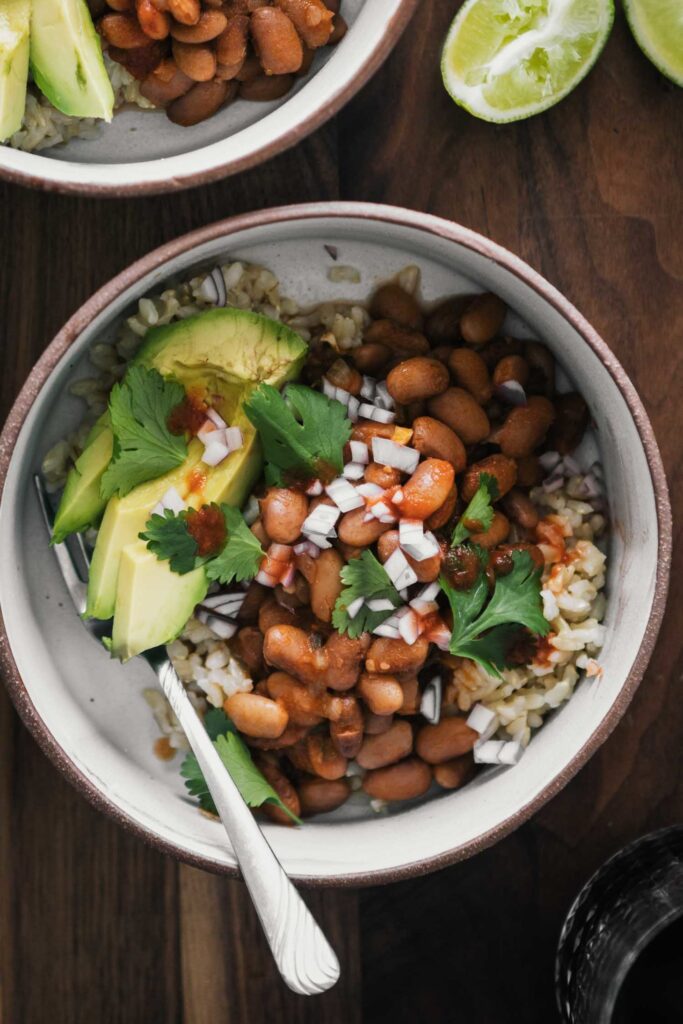
These simple pot beans need only a few aromatics and plenty of gentle cooking time.
Prep: 5 min (plus optional overnight soak) · Cook: 2.5–3 hrs, mostly unattended · Serves: 6
Ingredients
- 1 lb (450 g) dried pinto or black beans
- 10 cups water
- 1/4 white onion, in one piece
- 2 garlic cloves, peeled
- 1 sprig fresh epazote (optional — see substitutions table below)
- 1 tbsp salt, added at the end
Steps
- Sort and rinse the beans; discard any stones or shriveled beans. Soaking overnight is optional. It can shorten the cooking time by roughly 45 minutes but is not required.
- Simmer: combine beans, water, onion, garlic, and epazote in a large pot. Bring to a boil, then reduce to a very gentle simmer and partially cover.
- Cook until soft: simmer for 2 to 3 hours, until the beans are completely tender and the broth has turned creamy and slightly thickened. Add hot water if the level drops below the beans. Avoid boiling hard, which can split the skins.
- Season: stir in the salt during the last 15 minutes. Taste and adjust.
- Serve in bowls with the broth, a drizzle of olive oil, and warm tortillas—or mash with a little oil in a skillet for refried beans.
Why it works: dried beans are economical, feed several people, and produce their own flavorful broth as they cook.
3. Chilaquiles Rojos
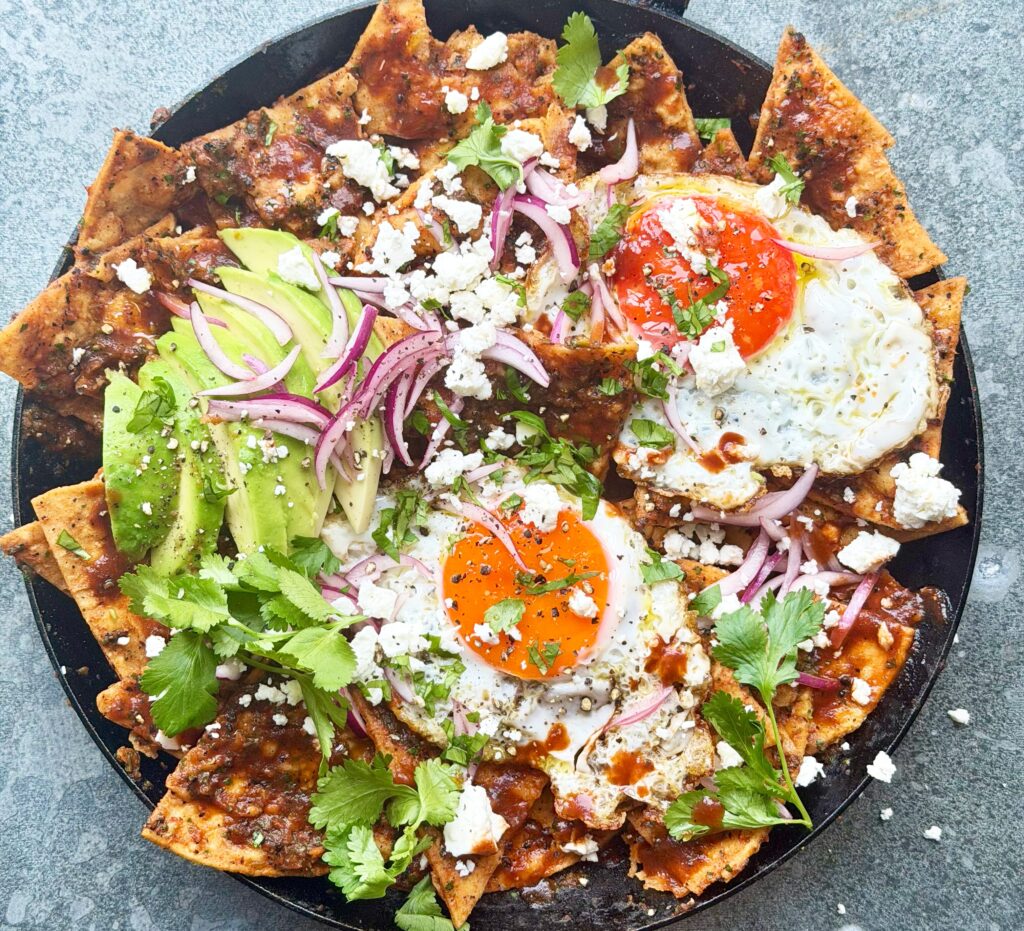
Chilaquiles are a practical way to use day-old tortillas. The key is adding the crisp tortilla pieces to the sauce just before serving so the edges remain crisp while the centers soften.
Prep: 10 min · Cook: 20 min · Serves: 2
Ingredients
- 8 corn tortillas (day-old is ideal), cut into 8 wedges each
- 3 tbsp neutral oil
- 1.5 cups salsa roja (use the recipe from the potato tacos, doubled, or 1.5 cups of your favorite red salsa)
- 1/2 cup chicken broth or water
- 2 eggs
- 3 tbsp Mexican crema (or thinned sour cream)
- 1/4 cup crumbled queso fresco or cotija
- Thinly sliced onion, to garnish
Steps
- Crisp the tortillas: heat 2 tbsp oil in a wide skillet over medium-high. Fry the tortilla wedges in two batches, stirring, until golden and crisp, 4–5 minutes per batch. Drain on paper towels. Baking at 400°F (200°C) for 10 minutes with a little oil also works.
- Heat the sauce: in the same skillet, pour in the salsa and broth. Simmer 3–4 minutes until slightly thickened.
- Fry the eggs in a separate small pan with the remaining oil, cooking them to your preferred doneness.
- Combine at the last second: add the chips to the simmering salsa, fold gently for 60–90 seconds—just enough to coat and slightly soften them—and remove from the heat immediately.
- Serve right away, topped with the fried eggs, crema, cheese, and onion.
Why it works: the recipe turns leftover tortillas into a complete meal, while the short saucing time preserves a contrast between crisp and tender textures.
4. Sopa de Fideo (Toasted Noodle Soup)
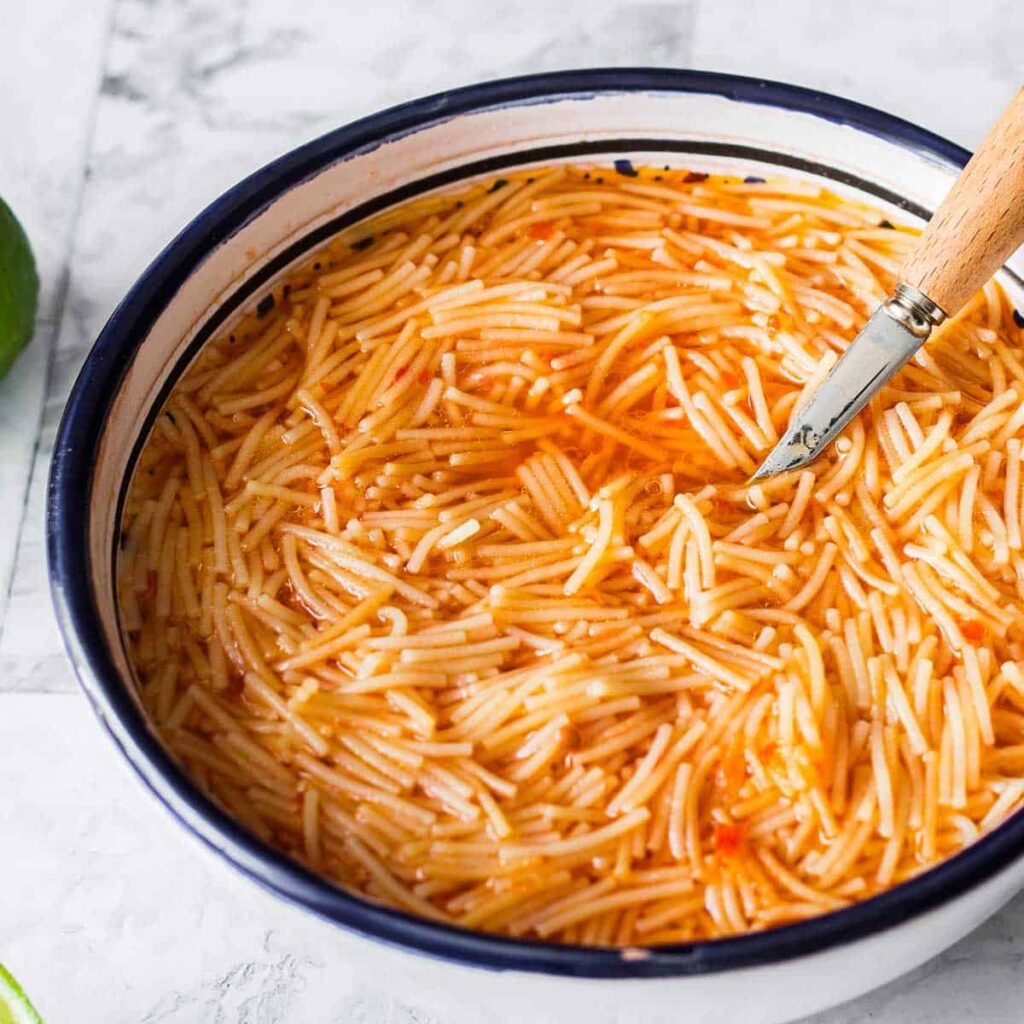
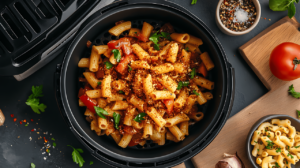
Sopa de fideo is a simple, economical noodle soup. Toasting the noodles before adding liquid gives the broth a deeper flavor and helps distinguish it from plain noodle soup.
Prep: 10 min · Cook: 15 min · Serves: 4
Ingredients
- 7 oz (200 g) fideo noodles (or angel hair broken into 1-inch pieces)
- 2 tbsp neutral oil
- 2 Roma tomatoes
- 1/4 white onion
- 1 garlic clove
- 4 cups chicken broth or water + 1 bouillon cube
- Salt to taste
- Lime wedges, to serve
Steps
- Blend the base: purée the tomatoes, onion, and garlic with 1/2 cup of the broth until completely smooth.
- Toast the noodles: heat the oil in a pot over medium heat. Add the fideo and stir constantly until deep golden brown, 4–5 minutes. Watch closely because the noodles can burn quickly once browned.
- Fry the purée: carefully pour the tomato blend into the pot—it will sizzle—and cook, stirring, for 2 minutes until it darkens slightly.
- Simmer: add the remaining broth, bring to a boil, then simmer uncovered for 8–10 minutes until the noodles are tender and the broth has body. Season with salt.
- Serve with lime wedges and warm tortillas. Optional add-ins include diced zucchini added with the broth, shredded cooked chicken, or a handful of cooked beans.
Why it works: inexpensive noodles, tomatoes, onion, and broth make a satisfying soup, while browning the noodles builds flavor.
5. Quesadillas de Verduras (Vegetable Quesadillas)
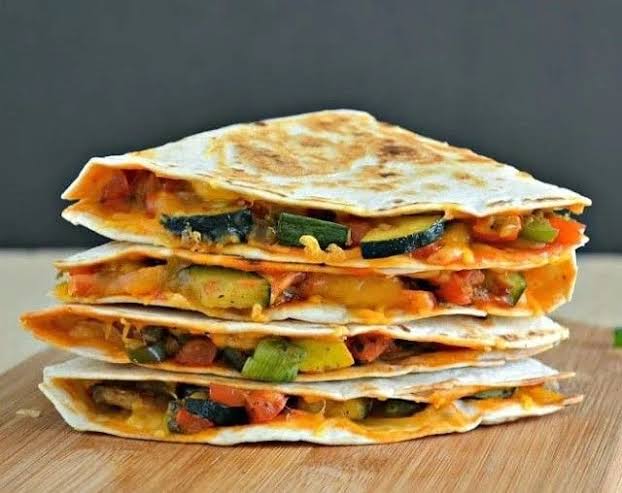
Squash blossoms are one possible filling for these quesadillas, but mushrooms or zucchini work with the same method: cook the vegetable until the excess moisture evaporates, season it well, and melt cheese around it.
Prep: 10 min · Cook: 15 min · Makes: 4 quesadillas (serves 2)
Ingredients
- 8 oz (225 g) mushrooms, sliced—or 2 small zucchini, or 2 cups squash blossoms if available
- 1 tbsp oil
- 1 garlic clove, minced
- 1/4 tsp salt
- 4 corn tortillas
- 6 oz (170 g) Oaxaca cheese, shredded (see substitutions below)
- Salsa verde, to serve
Steps
- Cook the filling dry: heat the oil over medium-high, add the mushrooms and cook without stirring for 2 minutes, then stir occasionally until all their liquid has evaporated and they’re browned, 6–8 minutes. Add garlic and salt in the last minute. Cook until the pan looks dry to prevent a soggy quesadilla.
- Assemble: warm each tortilla on a dry skillet or comal over medium heat, add a layer of cheese and a spoonful of filling, then fold.
- Char it: cook 2–3 minutes per side, pressing lightly, until the cheese is fully melted and the tortilla has charred spots.
- Serve hot with salsa verde.
If Oaxaca cheese is unavailable, the site’s guide to cheeses for tacos and quesadillas explains which alternatives melt well and how their flavors differ.
Why it works: cooking excess moisture out of the vegetables keeps the tortillas crisp, while melted cheese and direct heat bring the filling together.
Ingredient Substitutions and Alternatives
| Original ingredient | Suggested substitute | What changes |
|---|---|---|
| Epazote | Skip it, or use 1 bay leaf | The beans lose some of their herbal flavor |
| Oaxaca cheese | Low-moisture mozzarella | Similar melt with a milder flavor |
| Queso fresco | Mild feta, rinsed | Saltier, so use less |
| Guajillo chiles | Ancho (sweeter) or New Mexico chiles | The flavor changes slightly, but the same method works |
| Mexican crema | Sour cream + splash of milk | Slightly tangier flavor |
| Fideo noodles | Angel hair, broken small | Similar texture once toasted |
| Squash blossoms | Mushrooms, spinach, or zucchini | Different flavor with the same general cooking method |
How to Build More Flavor with Inexpensive Ingredients
Three techniques recur throughout these recipes:
Toast before adding liquid. Chiles, noodles, rice, and spices can develop deeper flavors when they are toasted carefully before liquid is added.
Use gentle cooking when needed. Beans and braised dishes benefit from steady heat and enough time to become fully tender.
Add fresh garnishes at the end. Diced onion, cilantro, lime, and salsa add acidity, aroma, color, and texture to simple dishes.
These techniques are useful across many Mexican home-cooked dishes and make it easier to get more flavor from basic ingredients.
FAQ
How much do these meals cost compared with eating out? Based on the estimates in the table, each recipe costs less per serving than most comparable restaurant meals. Exact savings depend on local grocery prices, restaurant prices, toppings, and whether you already have staples such as oil and spices.
Can I use canned beans instead of dried? Yes, if speed is the priority, but canned beans will not produce the same amount of creamy cooking broth. For the frijoles de la olla recipe above, dried beans give the best consistency. Canned beans are better suited to quick mashed beans, tostadas, or quesadilla fillings.
Are corn or flour tortillas better for these recipes? Use corn tortillas for the potato tacos and chilaquiles because they fry and crisp well. The quesadillas can be made with either type, although the recipe above is written for corn tortillas. When warming leftovers, these methods for how to reheat tortillas without drying them out can help keep them pliable.
How long do leftovers keep? Pot beans keep for 4–5 days refrigerated and can be frozen for up to 3 months. Sopa de fideo keeps for about 3 days, although the noodles will absorb broth; add water or broth when reheating. Chilaquiles are best served immediately because the tortilla pieces soften in the sauce.
What one piece of equipment is useful for Mexican cooking? A comal is a flat cast-iron or steel griddle used to toast chiles, warm tortillas, roast garlic and tomatoes, and char quesadillas. A regular cast-iron skillet can handle the same tasks if you already own one.

MexFood Kitchen Editorial Team publishes practical guides to Mexican recipes, ingredients, meal preparation and cooking techniques. Our editorial goal is to provide clear instructions, useful context and realistic guidance for home cooks. Content is reviewed for clarity and updated when corrections or improvements are needed.