Mexican food is naturally suited to meal prep. Beans, rice, salsa, and grilled proteins keep well when properly chilled, reheat evenly, and often develop deeper flavor after a day in the refrigerator. The main challenge is building bowls that don’t turn soggy by Wednesday.
This guide uses five component recipes cooked in one session, an assembly strategy that protects their textures, and a day-by-day plan for five lunches. Allow about two hours, with some cooking tasks overlapping.
The week at a glance:
| Component | Yield | Active time | Refrigerate for |
|---|---|---|---|
| Cilantro-lime rice | 6 cups | 25 min | Up to 4 days |
| Cumin-lime chicken thighs | 6 portions | 30 min | Up to 4 days |
| Seasoned black beans | 5 cups | 15 min (+ simmer) | Up to 4 days |
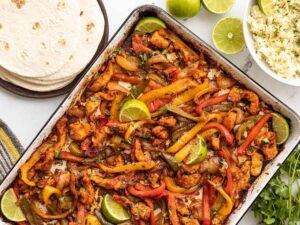
| Roasted peppers, onions & zucchini | 5 cups | 30 min (mostly oven) | Up to 4 days |
| Salsa verde | 2 cups | 20 min | Up to 4 days |
Estimated grocery cost: $15–20 · Estimated cost per lunch: $3–4
Costs vary by location and season. A 450–550-calorie bowl is possible with moderate portions, but a bowl containing full portions of rice, beans, chicken, oil, and toppings will be higher.
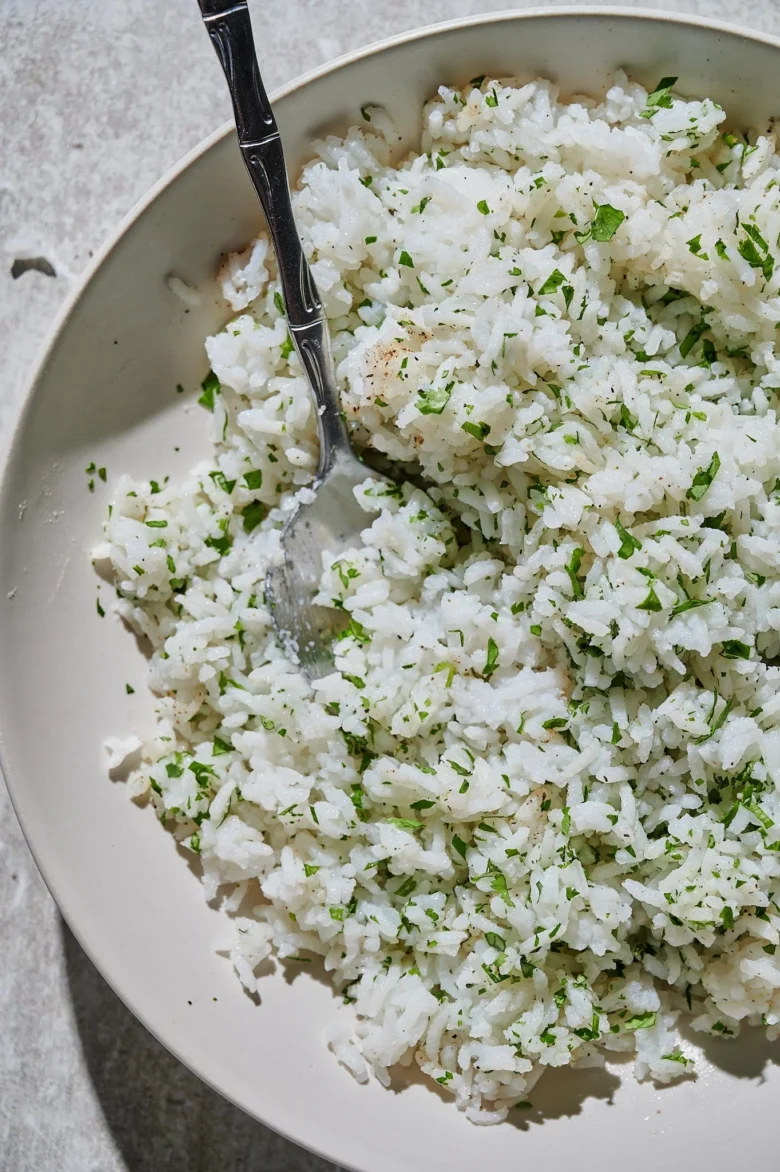
Component 1: Cilantro-Lime Rice
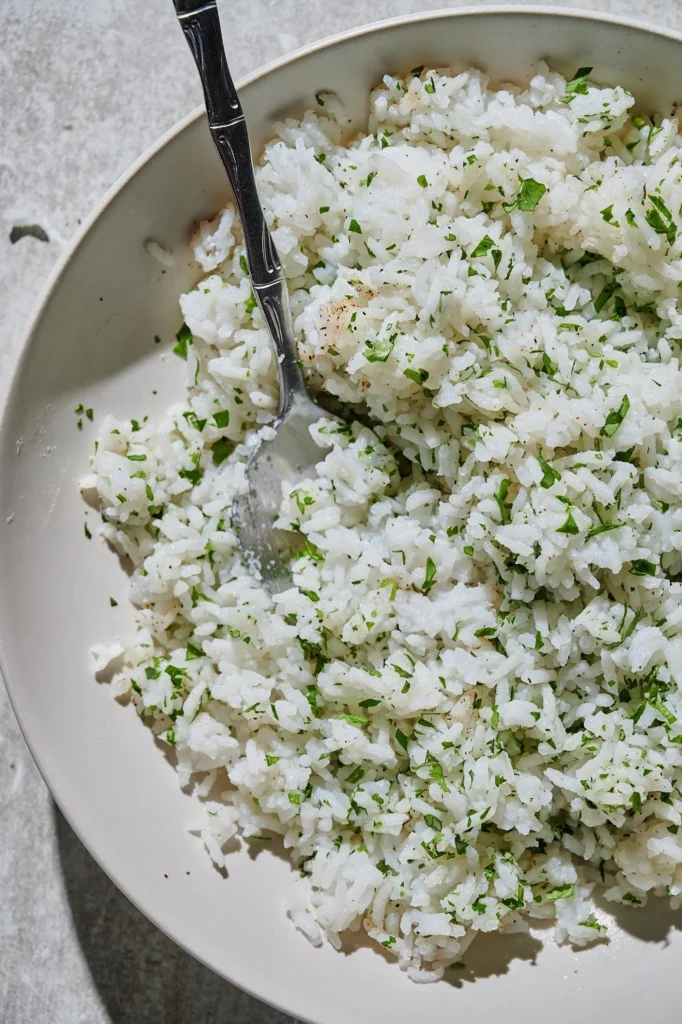
Active: 10 min · Total: 25 min · Yield: 6 cups (5 servings)
Ingredients
- 2 cups long-grain white rice, rinsed until water runs clear
- 3 cups low-sodium chicken broth (or water + 1 bouillon cube)
- 1 tbsp tomato paste
- 1 tbsp oil
- 1/2 cup chopped cilantro
- Juice of 2 limes
- 3/4 tsp salt
Steps
- Heat the oil in a pot over medium. Add the rinsed, drained rice and stir 2–3 minutes until it smells lightly toasted.
- Stir in the tomato paste, then add the broth. Bring to a boil, cover, reduce heat to low, and cook 15 minutes without lifting the lid.
- Rest 10 minutes off the heat, then fluff.
- While still warm, fold in the cilantro, lime juice, and salt.
Lighter option: replace half the rice with cauliflower rice. Cook it separately in a dry skillet until its excess water evaporates, then combine. Cooking the two together can make the finished rice gummy.
Reheating: microwave with a damp paper towel over the container for about 90 seconds, or until steaming hot.
Component 2: Cumin-Lime Chicken Thighs
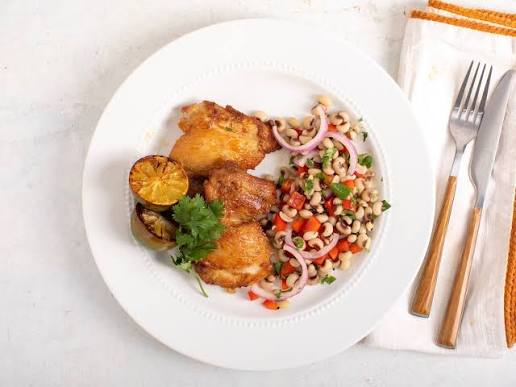
Active: 15 min · Total: 30 min (+30 min optional marinade) · Yield: 6 portions
Chicken thighs are forgiving during refrigeration and reheating because they contain more fat than breast meat. Chicken breasts can still be used, but take care not to overcook them.
Ingredients
- 2 lb (900 g) boneless, skinless chicken thighs (about 6)
- 2 tsp ground cumin
- 1 tsp chile powder
- 1 tsp garlic powder
- 1 tsp salt
- 1/2 tsp black pepper
- Juice of 1 lime
- 1 tbsp oil
Steps
- Mix all the seasonings, lime juice, and oil into a paste. Coat the thighs. If you have 30 minutes, let them marinate; if not, cook right away.
- Grill, or sear in a hot cast-iron skillet, 5–6 minutes per side, until the internal temperature reaches 165°F (74°C).
- Rest 10 minutes before slicing to reduce moisture loss.
- Slice against the grain and portion into containers.
Per portion: roughly 280 calories and 32 g protein, depending on the size and fat content of the thighs.
Component 3: Seasoned Black Beans
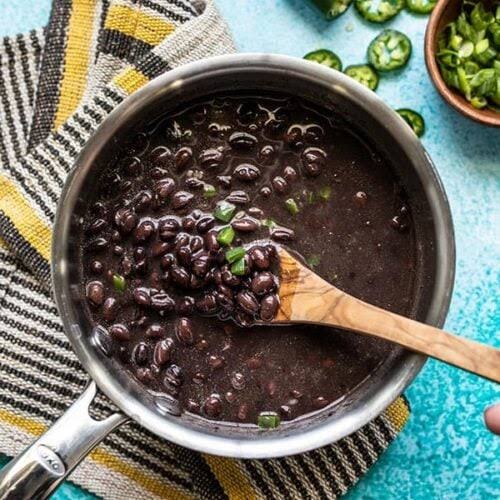
Active: 15 min · Total: 2 hrs (dried) or 20 min (canned shortcut) · Yield: 5 cups
Ingredients
- 1 lb dried black beans (or 3 cans, drained and rinsed)
- 1/4 white onion + 2 garlic cloves
- 1 sprig epazote (optional, for an earthy herbal note; use a bay leaf if unavailable)
- 1 tbsp oil, for the canned shortcut
- 1 tsp salt, added at the end
Steps
- Dried: simmer beans with onion, garlic, and epazote in 8 cups of water, partially covered, 1.5–2 hours until soft. Salt in the final 15 minutes.
- Canned shortcut: sauté the onion (diced) and garlic (minced) in 1 tbsp oil, add the beans with 1/2 cup water and the epazote or bay leaf, and simmer 10 minutes.
- Keep the beans whole rather than refried for these bowls. Whole beans retain their shape, while refried beans become thicker as they sit.
Per 3/4-cup serving: roughly 170 calories, 10 g protein, and 12 g fiber.
Component 4: Roasted Peppers, Onions & Zucchini
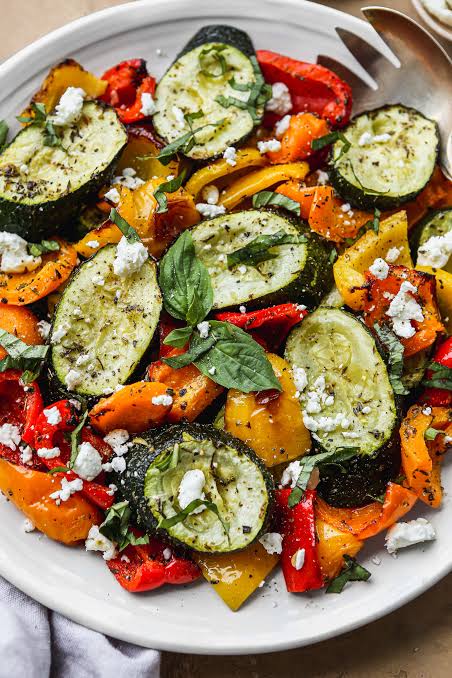
Active: 10 min · Total: 30 min · Yield: 5 cups
Ingredients
- 3 bell peppers, sliced into strips
- 2 white onions, sliced
- 2 zucchini, in half-moons
- 2 tbsp oil
- 1 tsp cumin, 1 tsp oregano, 3/4 tsp salt
Steps
- Heat the oven to 425°F (220°C). Toss everything on a large sheet pan. Don’t overcrowd the pan, or the vegetables will steam instead of browning. Use two pans if needed.
- Roast 20–22 minutes, stirring once halfway, until tender and browned at the edges.
Prep-ahead rule: roasted vegetables can go into containers after cooling. Add raw garnishes such as diced tomato, shredded cabbage, and sliced radish on the day you eat so they stay crisp.
The avocado problem: slice it the day of, not on Sunday. If it must be cut ahead, coat the exposed surface with lime juice and press airtight wrapping directly against it. The guide to storing avocados, salsa, and tortillas has more practical storage tips.
Component 5: Salsa Verde
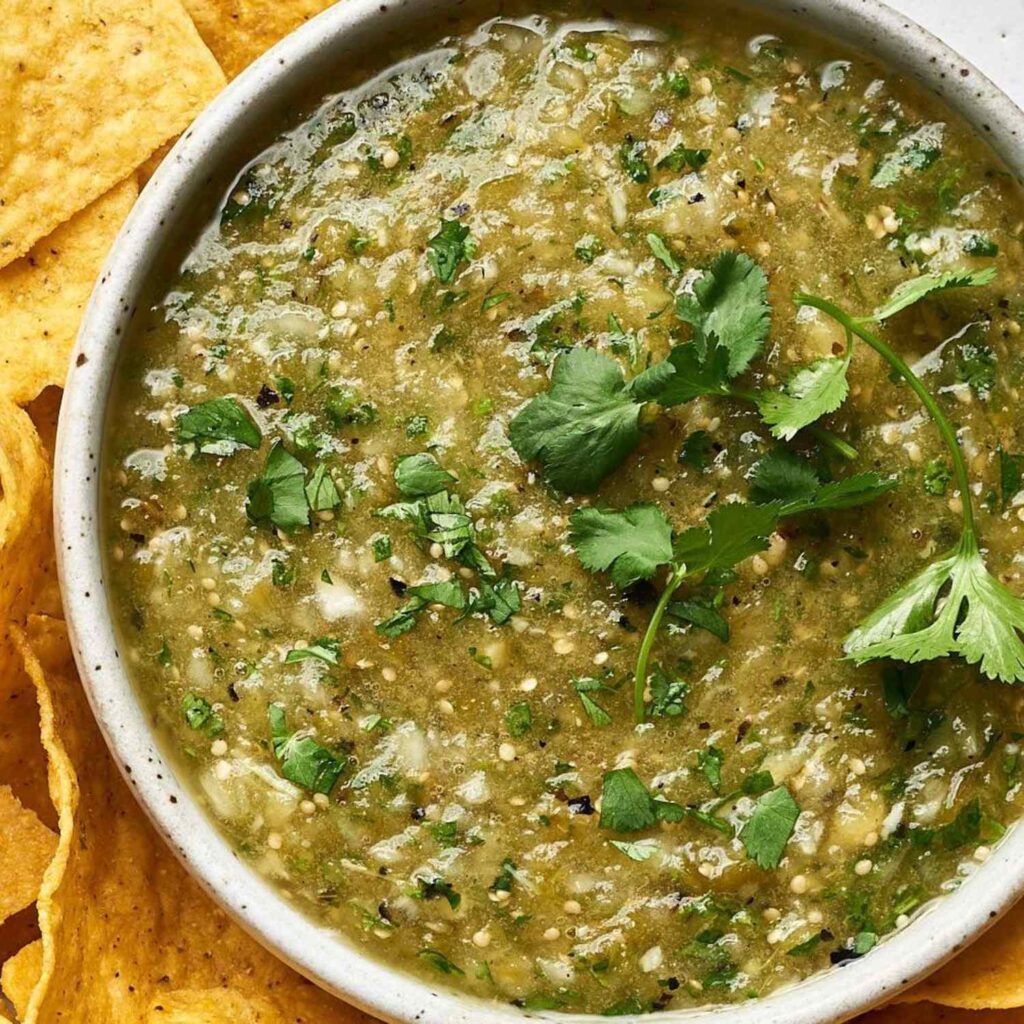
Active: 20 min · Yield: 2 cups · Keeps: up to 4 days refrigerated
Ingredients
- 1 lb tomatillos, husked and rinsed
- 1–2 serrano or jalapeño chiles (to taste)
- 1/4 white onion
- 1 garlic clove
- 1/2 cup cilantro
- 1/2 tsp salt
Steps
- Place tomatillos and chiles in a pot, cover with water, and simmer 8–10 minutes until the tomatillos turn olive-green and soften.
- Blend with the onion, garlic, cilantro, salt, and 1/4 cup of the cooking water until nearly smooth.
- Store in a clean glass jar. Keep the salsa separate until you eat to prevent the rice and vegetables from becoming soggy.
Assembly Strategy
Let the cooked components stop steaming before sealing and refrigerating them. Use glass containers with compartments if possible:
- Bottom or large side: rice, then protein and roasted vegetables.
- Small side or separate container: raw garnishes, added the day of eating.
- Always separate: salsa in its jar; avocado sliced fresh.
- No compartments? Pack the cooked components together after they have cooled, then carry raw garnishes and salsa in small separate containers.
The 5-Day Plan
For a Sunday prep session, refrigerate the Monday-through-Thursday portions and freeze the cooked components reserved for Friday. Thaw that portion in the refrigerator overnight.
| Day | Bowl |
|---|---|
| Monday | Rice + chicken + roasted peppers and onions + salsa verde + diced tomato |
| Tuesday | Rice + black beans + roasted zucchini + salsa + shredded cabbage |
| Wednesday | Rice and beans + chicken + cabbage-lime slaw + avocado |
| Thursday | Burrito bowl: remaining refrigerated rice + vegetables or protein + a freshly fried egg |
| Friday | Thawed reserved chicken or beans become nachos, a rice bowl, or quesadilla filling |
Cost & Time Breakdown
These figures are planning estimates. Ingredient and takeout prices vary considerably by store and location.
| Meal prep | Takeout equivalent | |
|---|---|---|
| 5 lunches | $15–20 total | $60–75 ($12–15 each) |
| Time | About 2 hrs in one session | 5 purchases, trips, or deliveries |
| Control over salt, oil, and portions | More direct control | Less direct control |
FAQ
How long do the components last in the refrigerator? Refrigerate cooked components promptly in shallow containers and use them within three to four days. For Sunday meal prep, keep Monday-through-Thursday servings refrigerated and freeze the Friday portion after cooling. Store the salsa in a clean, sealed container and freeze any amount not needed within four days.
Can I freeze any of this? Beans, salsa, cooked rice, and chicken can be frozen for up to three months for best quality. Roasted vegetables are also freezable, although they become softer after thawing. Raw garnishes do not freeze well. These freezer-friendly Mexican recipes offer more ideas for larger batch-cooking sessions.
Is this healthy, or just inexpensive? The bowls provide flexible portions of protein, beans, vegetables, and rice, but the final nutrition depends on how much of each component you use. To keep a bowl lighter, use a moderate serving of rice, choose chicken or beans as the main protein, add plenty of vegetables, and portion calorie-dense toppings such as cheese and avocado.
How do I keep reheated rice from drying out? Cover the open container with a damp paper towel and microwave for about 90 seconds, or until steaming hot. Stirring in a teaspoon of water before reheating also helps.
Can I make this vegetarian all week? Yes. Increase the bean portions and add a freshly cooked egg or 1/2 cup of crumbled queso fresco if desired. The rice, vegetables, salsa, garnishes, and storage system remain the same.

MexFood Kitchen Editorial Team publishes practical guides to Mexican recipes, ingredients, meal preparation and cooking techniques. Our editorial goal is to provide clear instructions, useful context and realistic guidance for home cooks. Content is reviewed for clarity and updated when corrections or improvements are needed.